
Climate protection with IoT
Smart buildings for CO₂ reduction
How connected sensors in smart buildings optimise heating, lighting and ventilation to save energy and cut CO₂ emissions.
An office building in Berlin saves 20% energy a year through IoT-based air conditioning control. The sensors automatically adjust the temperature to the presence of employees, increasing comfort while reducing energy consumption.
IoT in agriculture
Precision farming with IoT sensors that monitor soil moisture and weather conditions to use water resources more efficiently.
A farmer in Bavaria reduced his water consumption by 30% using IoT sensors, which give him real-time data on the condition of his fields. Irrigation only takes place where it is really needed.
Smart cities and sustainable mobility
Intelligent traffic control and parking guidance systems reduce congestion and emissions in cities.
In Copenhagen, an IoT-assisted traffic system cut CO₂ emissions from city traffic by 10%. Sensors measure traffic flow and dynamically route vehicles around congestion, while smart traffic lights optimise travel times.
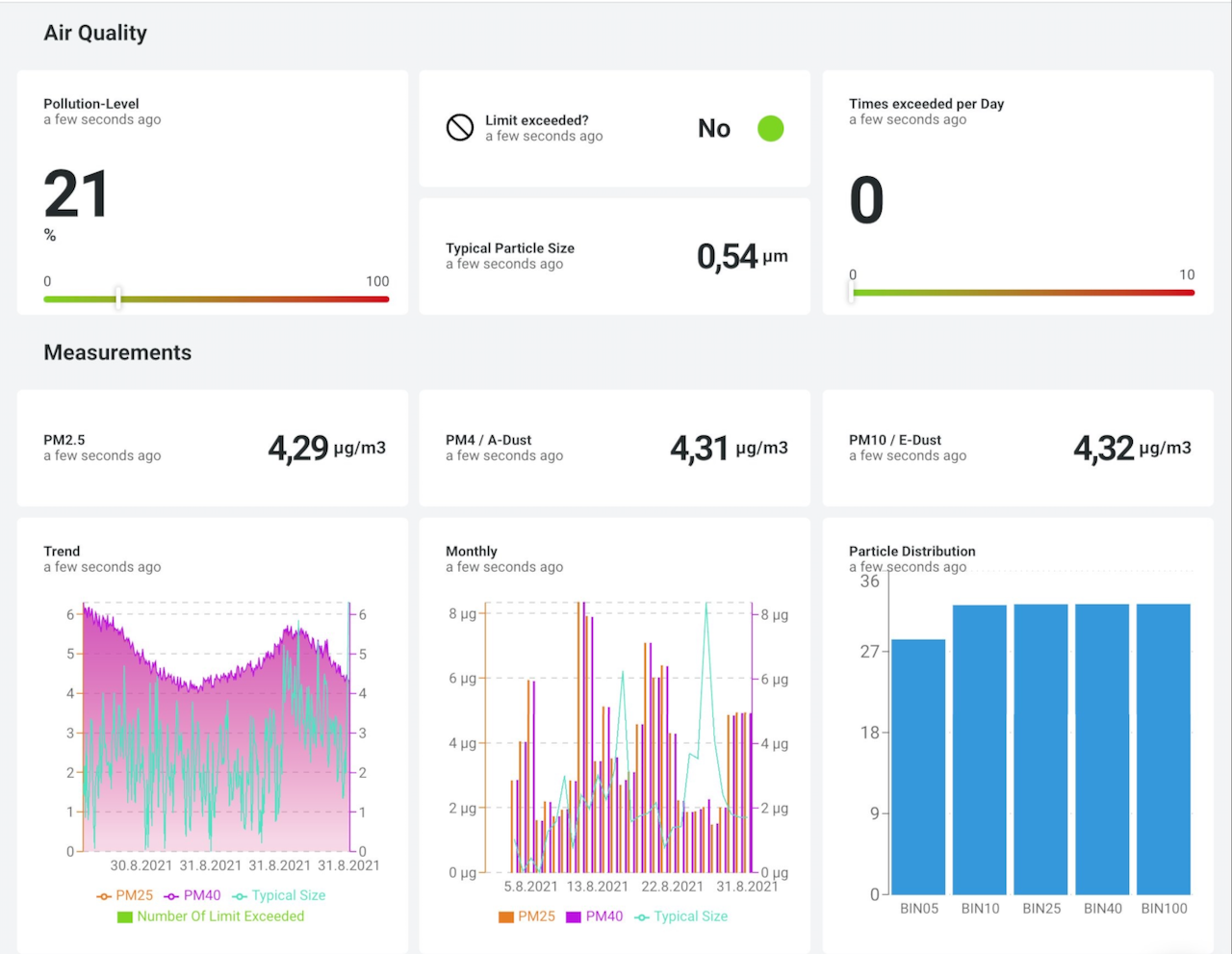
Energy-efficient production through IoT
How IoT optimises energy consumption in industry and makes production processes more sustainable.
A factory in Stuttgart uses IoT to run machines only when needed, saving 15% energy. Sensors monitor machine condition and prevent unnecessary idling. This not only saves energy but also extends the life of the equipment.
IoT for renewable energy
Digital tools for monitoring and optimising wind and solar plants for more efficient use of renewable energy.
A solar park in Spain increased energy production by 12% through IoT monitoring. Sensors record weather data and automatically adjust the orientation of the solar panels, making optimal use of every hour of sunshine.
Circular economy through IoT
Using IoT to track resources and improve recycling processes.
A start-up uses sensors to sort plastic waste, increasing the recycling rate by 25%. The devices identify different types of plastic by their chemical composition, ensuring materials are recycled correctly.
Climate-friendly logistics
Connected supply chains optimise transport routes and reduce emissions in freight transport.
A logistics company reduced its diesel consumption by 18% through IoT-based route planning. GPS sensors analyse traffic conditions in real time to calculate the most efficient routes, saving both fuel and time.
IoT in water management
Sensors monitor water consumption and support efficient irrigation in cities and agriculture.
In Israel, an irrigation system using IoT technology saves millions of litres of water every year. Sensors measure soil moisture and rainfall to prevent over-watering, so water is used exactly where it is needed.
Real-time climate data
IoT-based systems for collecting climate data help cities adapt to climate change.
A city in California uses climate sensors to detect heatwaves early. This data helps create emergency plans for vulnerable areas, while measures such as tree planting are implemented in a targeted way.
IoT-enabled power grids
Smart grids enable flexible use of surplus renewable energy.
In Germany, a smart grid stabilises the supply from wind turbines. Surplus energy is stored or forwarded directly when needed, maximising the efficiency of renewable energy.