
IoT technologies enable precise monitoring and control of energy consumption and resource use, leading to significant efficiency gains and emission reductions. Intelligent solutions such as smart grids and optimised transport systems reduce energy consumption and promote renewable energy.
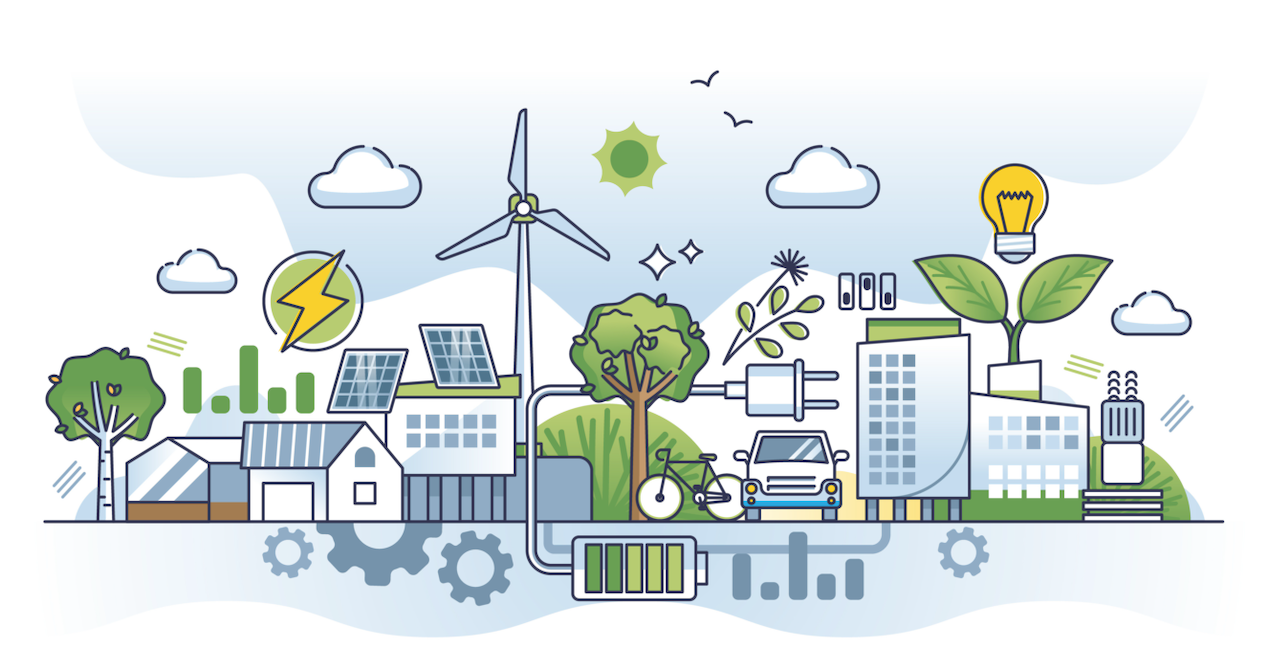
In addition, IoT-based environmental monitoring provides valuable data for climate research, enabling informed decisions in climate protection and driving sustainable innovation.
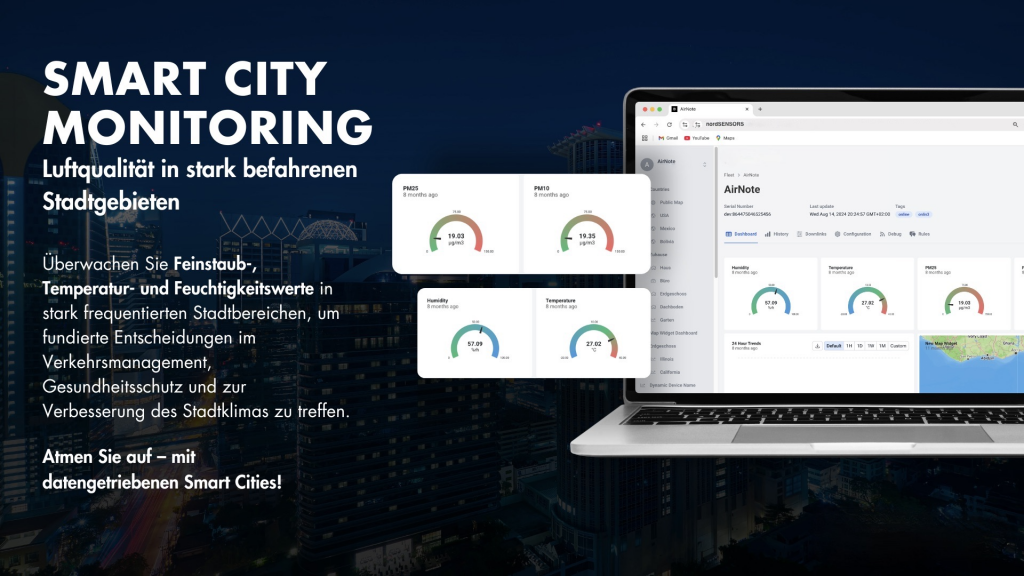
Key IoT application areas with the greatest impact on climate protection:
Intelligent energy management
- IoT systems optimise energy consumption in buildings and industry through real-time monitoring and automation, minimising energy waste.
Integration of renewable energy
- IoT connects decentralised energy sources such as solar plants and wind farms to the power grid to ensure efficient use and control of renewable energy.
Environmental monitoring
- Sensors measure air and water quality and other environmental parameters so that climate problems can be addressed early.
Smart cities and transport
- IoT-based traffic management systems reduce congestion and emissions, while smart city solutions such as intelligent lighting and waste management save energy.
Sustainable agriculture
- Precision farming with IoT sensors optimises the use of water, fertilisers and energy, conserving resources.
These use cases show the potential of IoT technologies for a sustainable future.
Innovating for the climate – act today, benefit tomorrow!